Bangla

National Institute of Mental Health

Government of the People's Republic of Bangladesh

📄 Notice Board

āĻŽā§‡āĻĄāĻŋāϕ⧇āϞ āĻŦā§‹āĻ°ā§āĻĄā§‡ āωāĻĒāĻ¸ā§āĻĨāĻŋāϤ āĻĒā§āϰāϏāĻ™ā§āϗ⧇

📅 09-05-2026 āϏāĻžāϧāĻžāϰāĻŖ
â€ē

āĻ›āĻžāĻĄāĻŧāĻĒāĻ¤ā§āϰ

📅 03-05-2026 āϏāĻžāϧāĻžāϰāĻŖ
â€ē

āĻ›āĻžāĻĄāĻŧāĻĒāĻ¤ā§āϰ

📅 03-05-2026 āϏāĻžāϧāĻžāϰāĻŖ
â€ē

National Institute of Mental Health

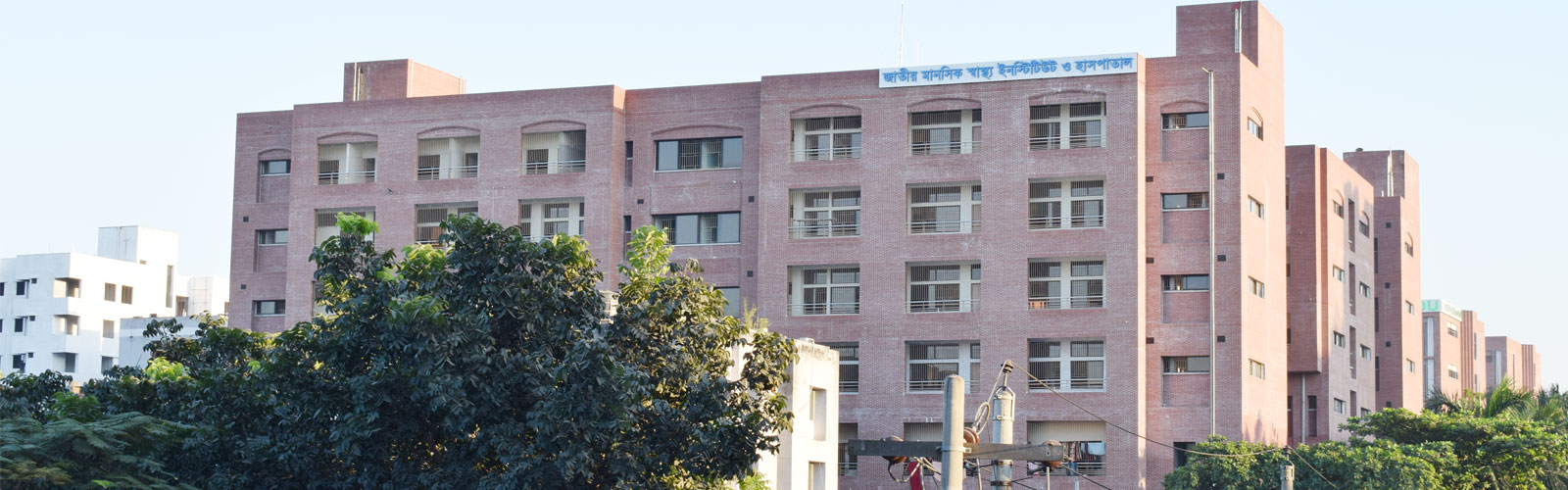
The National Institute of Mental Health (NIMH) is a specialized government hospital established to provide mental health services. In addition to delivering mental healthcare, the institute is engaged in formulating mental health policies, conducting research, and providing advanced training to physicians and other healthcare professionals.

The institute began its operations at its current location in Sher-e-Bangla Nagar, Dhaka, in 2001. Prior to that, it was established in 1981 under the name Institute of Mental Health and Research. Later, it was renamed and relocated to its present premises.

Currently, the institute employs more than three hundred physicians and supporting healthcare professionals. The eight-story facility has the capacity to provide inpatient care for over 400 patients at a time. In addition, approximately 400–500 individuals receive treatment daily through the outpatient department. The institute also provides services through several specialized clinics, including those dedicated to children and adolescents, as well as older adults. Specialized clinics are available for the treatment of depression, obsessive-compulsive disorder (OCD), sexual health issues, and substance addiction. Alongside psychiatrists, psychologists work at the institute and provide counseling and psychotherapy services to patients.

Our Objectives

✅ To provide modern training and medical education through various departments for trainee physicians, with the aim of developing skilled and qualified psychiatrists.

✅ To arrange modern and high-quality training programs for other mental health professionals, including psychologists, nurses, social workers, occupational therapists, and related personnel.

✅ To extend mental health services to grassroots communities across society.

✅ To introduce digital registration systems for maintaining and preserving mental health service records.

✅ To ensure the social and economic rehabilitation of individuals with mental health conditions.

✅ To conduct research on mental and behavioral disorders.

āĻŽāĻžāύāĻ¨ā§€ā§Ÿ āĻŽāĻ¨ā§āĻ¤ā§āϰ⧀
āĻ¸ā§āĻŦāĻžāĻ¸ā§āĻĨā§āϝ āĻ“ āĻĒāϰāĻŋāĻŦāĻžāϰ āĻ•āĻ˛ā§āϝāĻžāĻŖ āĻŽāĻ¨ā§āĻ¤ā§āϰāĻŖāĻžāϞ⧟
āϏāϰāĻĻāĻžāϰ āĻŽā§‹āσ āϏāĻžāĻ–āĻžāĻ“āϝāĻŧāĻžāϤ āĻšā§‹āϏ⧇āύ
āĻŽāĻžāύāĻ¨ā§€ā§Ÿ āĻĒā§āϰāϤāĻŋāĻŽāĻ¨ā§āĻ¤ā§āϰ⧀
āĻ¸ā§āĻŦāĻžāĻ¸ā§āĻĨā§āϝ āĻ“ āĻĒāϰāĻŋāĻŦāĻžāϰ āĻ•āĻ˛ā§āϝāĻžāĻŖ āĻŽāĻ¨ā§āĻ¤ā§āϰāĻŖāĻžāϞ⧟
āĻāĻŽ āĻ āĻŽā§āĻšāĻŋāϤ
āĻĒāϰāĻŋāϚāĻžāϞāĻ•
āϜāĻžāĻ¤ā§€ā§Ÿ āĻŽāĻžāύāϏāĻŋāĻ• āĻ¸ā§āĻŦāĻžāĻ¸ā§āĻĨā§āϝ āχāύāĻ¸ā§āϟāĻŋāϟāĻŋāωāϟ
āĻĄāĻž. āĻŽā§‹. āĻŽāĻžāĻšāĻŦ⧁āĻŦ⧁āϰ āϰāĻšāĻŽāĻžāύ
āĻĒā§āϰāĻĢ⧇āϏāϰ āĻĄāĻžāσ āϏāĻžāχāĻĢ⧁āύ āύāĻžāĻšāĻžāϰ
āĻŽā§āϝāĻžāĻĒ

āϜāϰ⧁āϰāĻŋ āϝ⧋āĻ—āĻžāϝ⧋āĻ—

āϏāϰāĻ•āĻžāϰāĻŋ āϤāĻĨā§āϝ āĻ“ āϏ⧇āĻŦāĻž ā§Šā§Šā§Š
āϜāϰ⧁āϰāĻŋ āϏ⧇āĻŦāĻž ⧝⧝⧝
āĻĢāĻžā§ŸāĻžāϰ āϏāĻžāĻ°ā§āĻ­āĻŋāϏ āĻšāϟāϞāĻžāχāύ ā§§ā§Ļ⧍
āϏ⧁āĻĒā§āϰ⧀āĻŽ āϕ⧋āĻ°ā§āϟ āĻšā§‡āĻ˛ā§āĻĒāϞāĻžāχāύ ā§§ā§Ļā§Š
āύāĻžāϰ⧀ āĻ“ āĻļāĻŋāĻļ⧁ āύāĻŋāĻ°ā§āϝāĻžāϤāύ āĻĒā§āϰāϤāĻŋāϰ⧋āϧ ā§§ā§Ļ⧝
āĻĻ⧁āĻĻāĻ• ā§§ā§Ļā§Ŧ
āĻĻ⧁āĻ°ā§āϝ⧋āϗ⧇āϰ āφāĻ—āĻžāĻŽ āĻŦāĻžāĻ°ā§āϤāĻž ā§§ā§Ļ⧍
āĻ¸ā§āĻŽāĻžāĻ°ā§āϟ āĻ­ā§‚āĻŽāĻŋ āϏ⧇āĻŦāĻž ā§§ā§Ŧ⧧⧍⧍
āĻļāĻŋāĻļ⧁ āϏāĻšāĻžāϝāĻŧāϤāĻž āϞāĻžāχāύ ā§§ā§Ļā§¯ā§Ž
āĻŦāĻžāĻ‚āϞāĻžāĻĻ⧇āĻļ āĻ•āĻ°ā§āĻŽāϚāĻžāϰ⧀ āĻ•āĻ˛ā§āϝāĻžāĻŖ āĻŦā§‹āĻ°ā§āĻĄ āĻšāϟāϞāĻžāχāύ ā§§ā§Ŧā§§ā§Ļ⧝
āĻŽāĻžāĻĻāĻ•āĻĻā§āϰāĻŦā§āϝ āύāĻŋāϝāĻŧāĻ¨ā§āĻ¤ā§āϰāĻŖ āĻšāϟāϞāĻžāχāύ ā§Ļ⧧⧝ā§Ļā§Žā§Žā§Žā§Žā§Žā§Žā§Ž
āϜāϰ⧁āϰ⧀ āĻ…āĻ­ā§āϝāĻ¨ā§āϤāϰ⧀āĻŖ āύ⧌-āĻĒāϰāĻŋāĻŦāĻšāύ āĻšāϟāϞāĻžāχāύ ā§§ā§Ŧā§§ā§§ā§Š
āĻĒāĻžāϏāĻĒā§‹āĻ°ā§āϟ āĻŦāĻžāϤāĻžā§Ÿāύ āĻšāϟāϞāĻžāχāύ ā§§ā§Ŧā§Ēā§Ēā§Ģ
āĻŦāĻžāĻ‚āϞāĻžāĻĻ⧇āĻļ āĻŽā§āĻ•ā§āϤāĻŋāϝ⧋āĻĻā§āϧāĻž āĻ•āĻ˛ā§āϝāĻžāĻŖ āĻŸā§āϰāĻžāĻ¸ā§āϟ ā§§ā§Ŧā§§ā§­ā§§
āĻŦāĻŋāĻĻā§āĻ¯ā§ā§Ž āĻŦāĻŋāĻ­āĻžāĻ— āϏ⧇āĻŦāĻž āĻšāϟāϞāĻžāχāύ ā§§ā§Ŧā§§ā§§ā§Ŧ
āϞāĻŋāĻ—ā§āϝāĻžāϞ āĻāχāĻĄ āĻšā§‡āĻ˛ā§āĻĒāϞāĻžāχāύ ā§§ā§Ŧā§Ēā§Šā§Ļ
āĻļā§āϰāĻŽāĻŋāĻ• āĻšā§‡āĻ˛ā§āĻĒāϞāĻžāχāύ ā§§ā§Ŧā§Šā§Ģā§­
āϏāĻ°ā§āĻŦāϜāύ⧀āύ āĻĒ⧇āύāĻļāύ āĻ¸ā§āĻ•āĻŋāĻŽ āĻšāϟāϞāĻžāχāύ ā§§ā§Ŧā§Ŧā§Šā§§
āĻŦāĻžāĻ‚āϞāĻžāĻĻ⧇āĻļ āϕ⧋āĻ¸ā§āϟ āĻ—āĻžāĻ°ā§āĻĄ āĻšāϟāϞāĻžāχāύ ā§§ā§Ŧā§§ā§§ā§§
āĻĢāĻŋāĻĄāĻŦā§āϝāĻžāĻ•    āϝ⧋āĻ—āĻžāϝ⧋āĻ—

āϏāĻžāχāϟāϟāĻŋ āĻļ⧇āώ āĻšāĻžāϞ-āύāĻžāĻ—āĻžāĻĻ āĻ•āϰāĻž āĻšā§Ÿā§‡āϛ⧇: āĻŦ⧁āϧāĻŦāĻžāϰ, ā§Ŧ āϜ⧁āύ, ⧍ā§Ļ⧍ā§Ŧ āĻ ⧧⧍:ā§Ļā§§:ā§Ēā§Ž